How to Clean Blackout Curtains
Blackout fabrics and coated linings need different care. Check the label before dusting, spot treatment, washing, or using heat, and recognize damaged backing.


Blackout fabrics and coated linings need different care. Check the label before dusting, spot treatment, washing, or using heat, and recognize damaged backing.
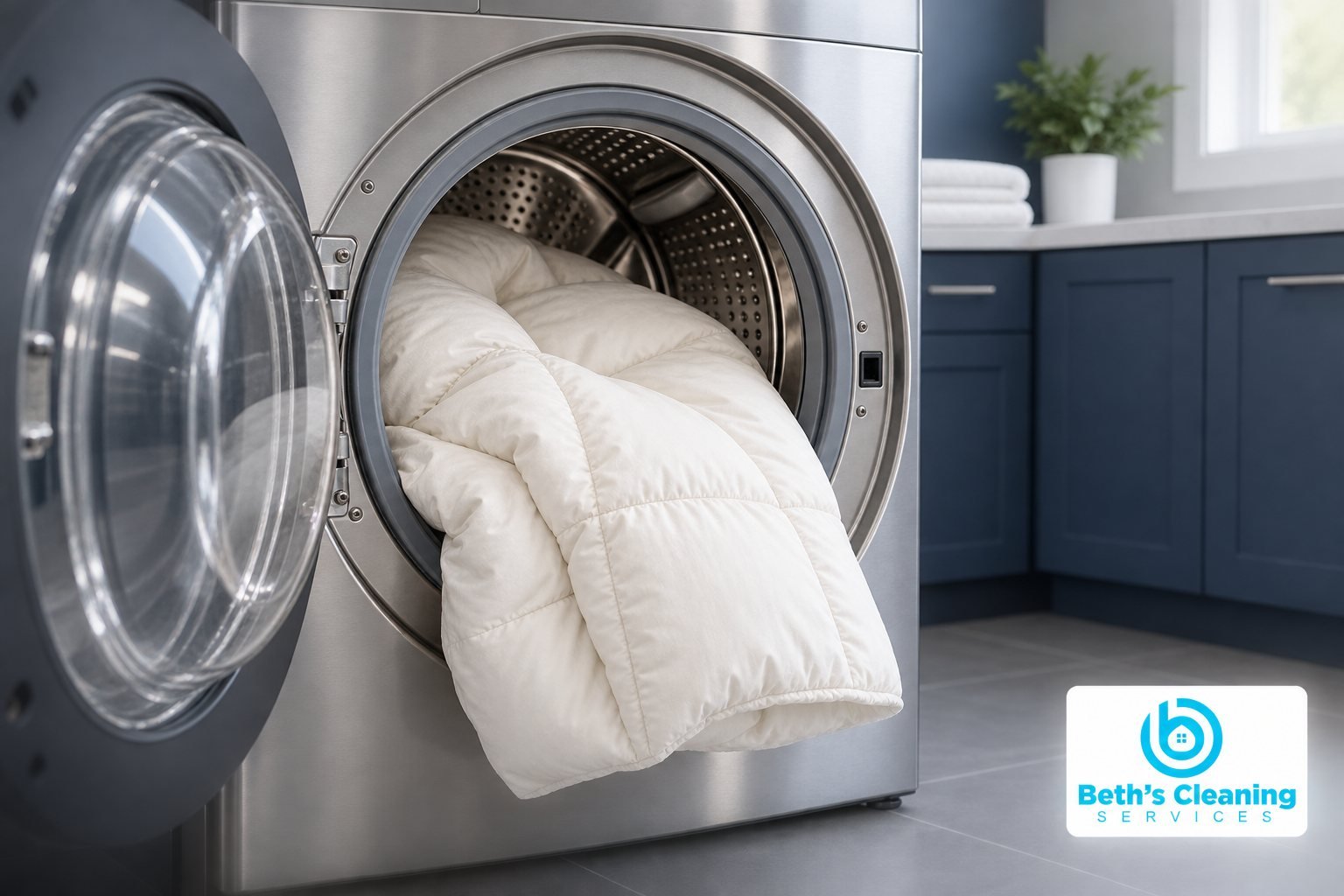
Check the cover and insert labels, washer and dryer capacity, and filling dryness before laundering bulky bedding. Learn when home equipment is not suitable.
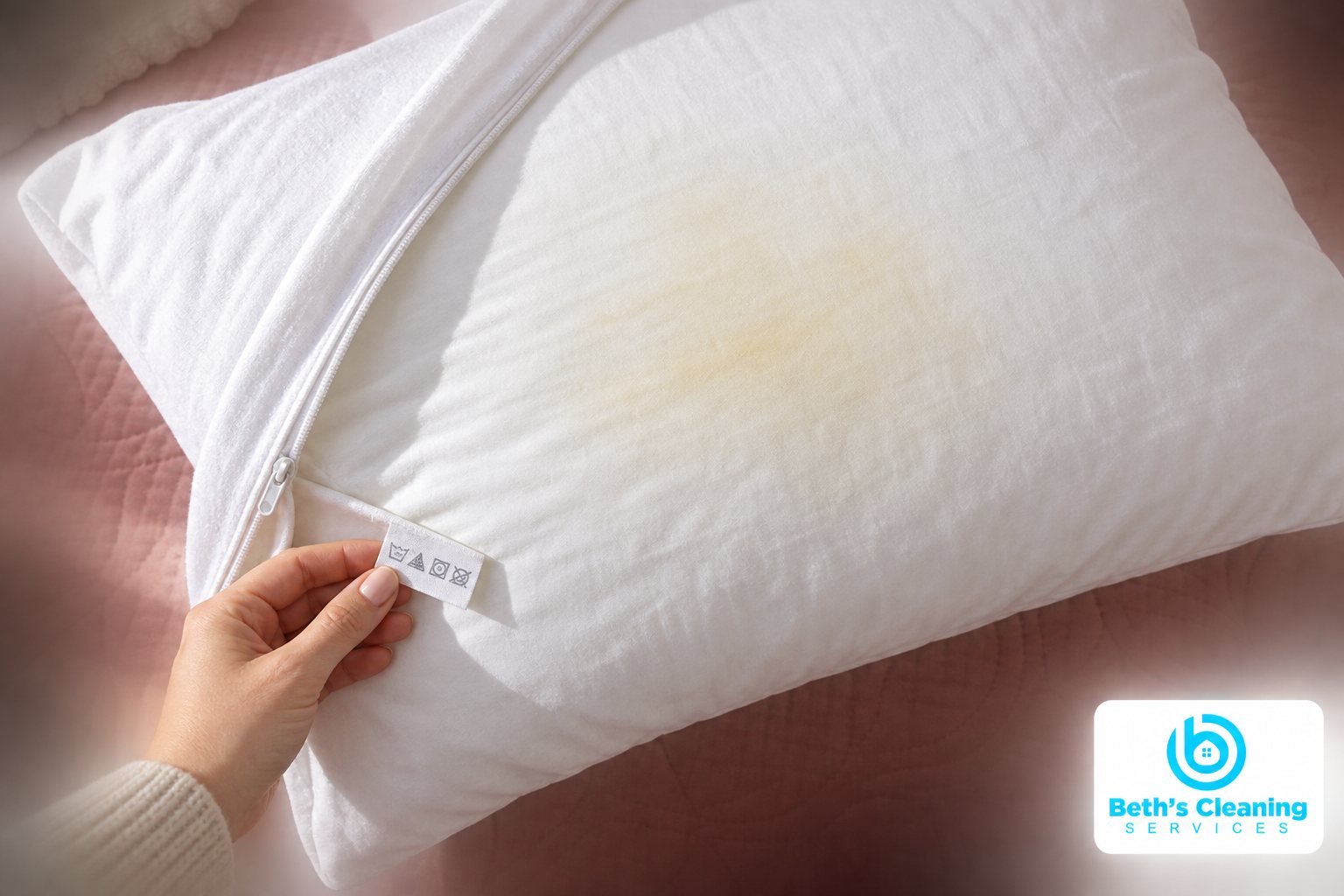
Check the insert and cover labels before washing a yellowed pillow. Compare washable filling with foam, understand whitening limits, and avoid storing damp bedding.
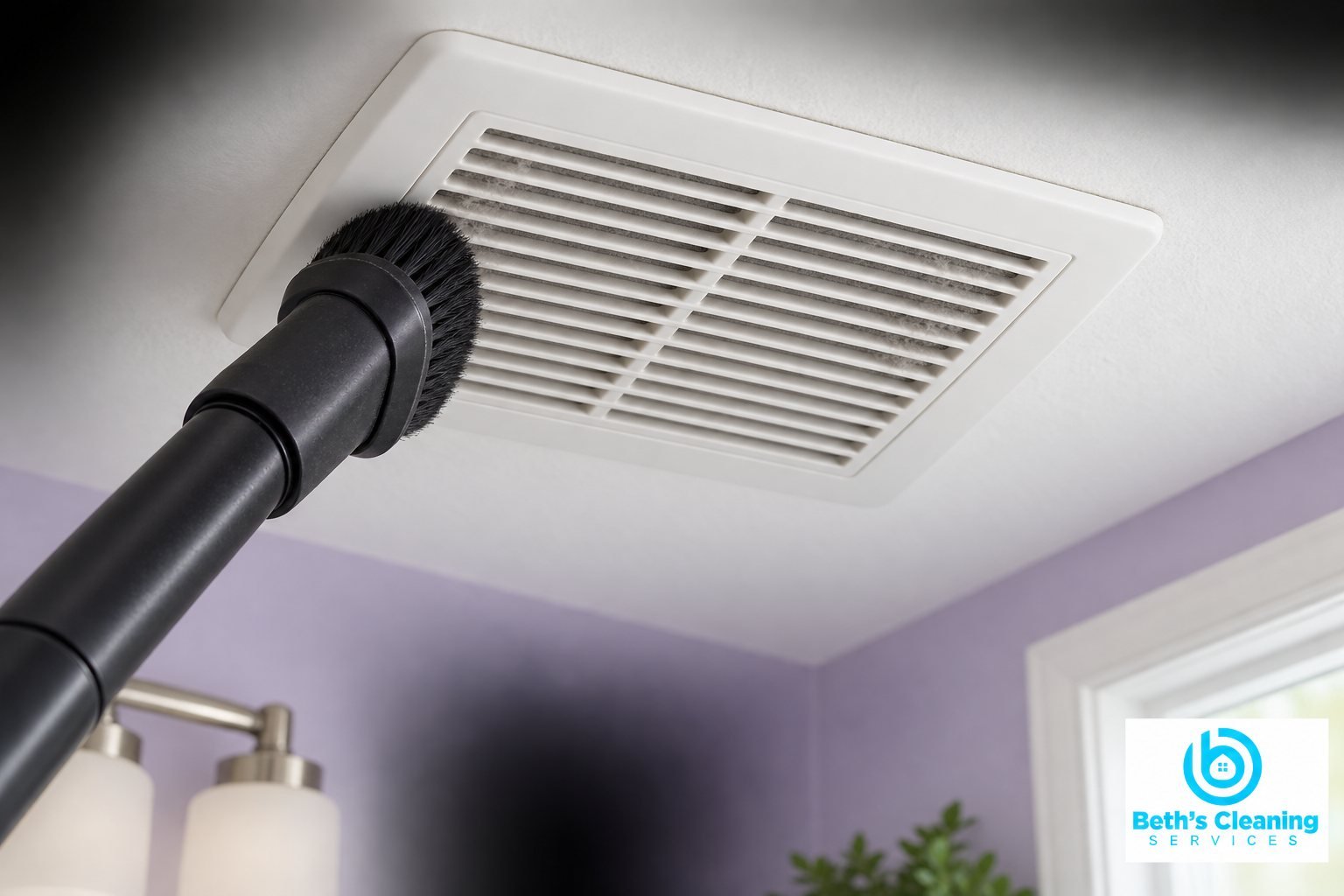
Remove accessible fan dust with care matched to your model. Learn which covers must stay dry, why power isolation matters, and when moisture problems need a specialist.

Clear shower film with care matched to coated glass, tile, grout, and natural stone. Learn which shortcuts can cause damage and how to reduce new buildup.

Shower grout darkens with mildew and soap scum over time. Restoring it makes the whole shower look fresh and clean. Step-by-Step Guide Pre-Rinse the Area Rinse the tiles to remove loose soap and grime first. Apply a Grout Paste Spread a baking soda paste along the grout lines. Scrub the Lines Scrub with a stiff

Shower drains clog with hair and soap buildup, causing slow drainage and odours. Regular cleaning keeps water flowing freely. Step-by-Step Guide Remove the Cover Take off the drain cover to access trapped debris. Clear the Hair Pull out hair and gunk with a hook tool or gloved hand. Flush With Baking Soda and Vinegar Pour

Sliding door tracks collect dirt and debris that make doors stick. A good clean keeps them gliding smoothly. Step-by-Step Guide Vacuum the Debris Use a narrow attachment to remove loose dirt from the track. Loosen Stuck Grime Sprinkle baking soda and spray vinegar, letting it fizz briefly. Scrub the Track Scrub with an old toothbrush,

Window sills and frames gather dust, grime and even mould over time. Cleaning them brightens the room and improves air quality. Step-by-Step Guide Vacuum the Loose Dirt Use a brush attachment to clear dust and debris from sills and tracks. Wipe With Soapy Water Clean the sills and frames with warm soapy water and a
Kitchen extractor fans collect thick grease that reduces airflow and poses a fire risk. Cleaning them restores performance and safety. Step-by-Step Guide Remove the Filters Take out the metal mesh filters from the hood. Soak in Hot Water Submerge filters in hot water with dish soap and baking soda to cut grease. Scrub and Rinse